
I’ve read a lot of advice about YouTube hooks, and most of it is about the hook somebody wishes they’d written. So I went to the videos instead. I picked five faceless videos from five different niches, each with more than a million views, and read the captions of their first 30 seconds line by line, with the timestamps YouTube attaches to them.
The 30-second line comes from YouTube itself. Every video in YouTube Studio gets an “Intro” figure: the share of viewers still watching after the first 30 seconds. YouTube’s help page on key moments says a high number can mean the opening matched what the title and thumbnail made people expect. That’s a fair description of a hook’s job, and a fair way to judge one.
Below are the five videos, what each opening does second by second, and the formula you can borrow from it. After that you’ll find a step-by-step method for your next video, a checklist, and a free file of the formulas to give to any AI: download the YouTube hook formulas (.md).
1. Mustard: start at the moment of discovery
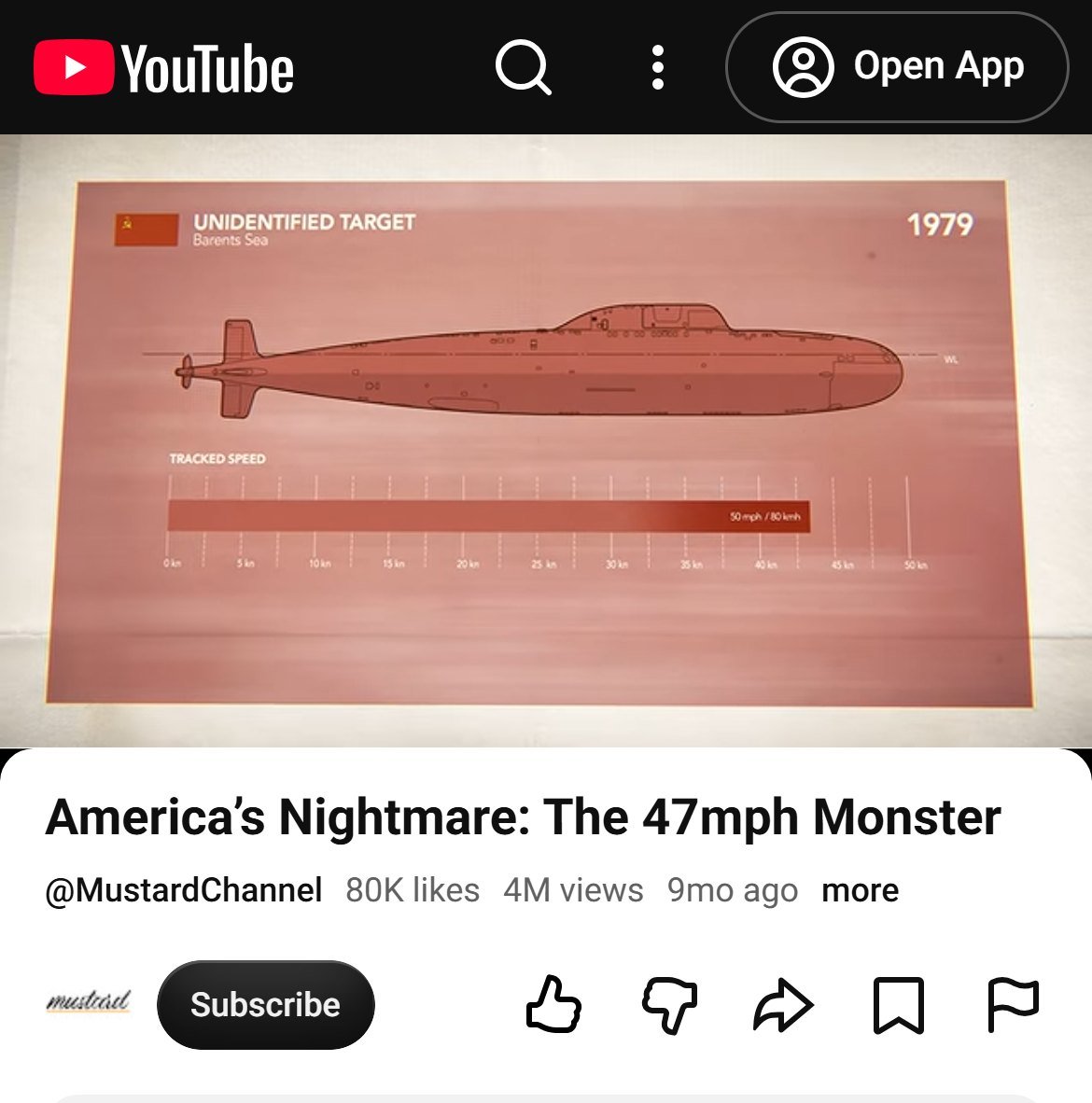
Mustard makes engineering history videos about planes, trains and submarines, and this one is about a Soviet submarine. It doesn’t open with the Soviet Union or the Cold War. It opens on a month, a place and a sound: in March 1979, American listening posts pick up something deep under the Barents Sea.
Over the next 20 seconds the claim climbs three steps. First the thing is moving faster than it should. Then it’s faster than any submarine they’ve tracked. Then, at 0:16, it’s fast enough to outrun their own torpedoes. Only at 0:23 do we hear who built it. At 0:36 comes the turn that keeps you watching: this super weapon will end up being “more than the Soviets bargained for.” Then, at 0:46, the video steps back to the late 1950s and starts the history.
That order is the lesson. The story’s most dramatic moment goes first, the background comes after the viewer cares, and the ending is hinted at but never told. I’d also point out what’s missing: no “welcome back”, no “today we’re looking at”, no channel name. It’s a scene from second two.
The formula: [Month, year, place]. [Someone] notices [something that shouldn’t be possible]. [It gets bigger.] [It gets bigger again.] But [a hint that the story turns].
2. Wendover Productions: start in the viewer’s hand
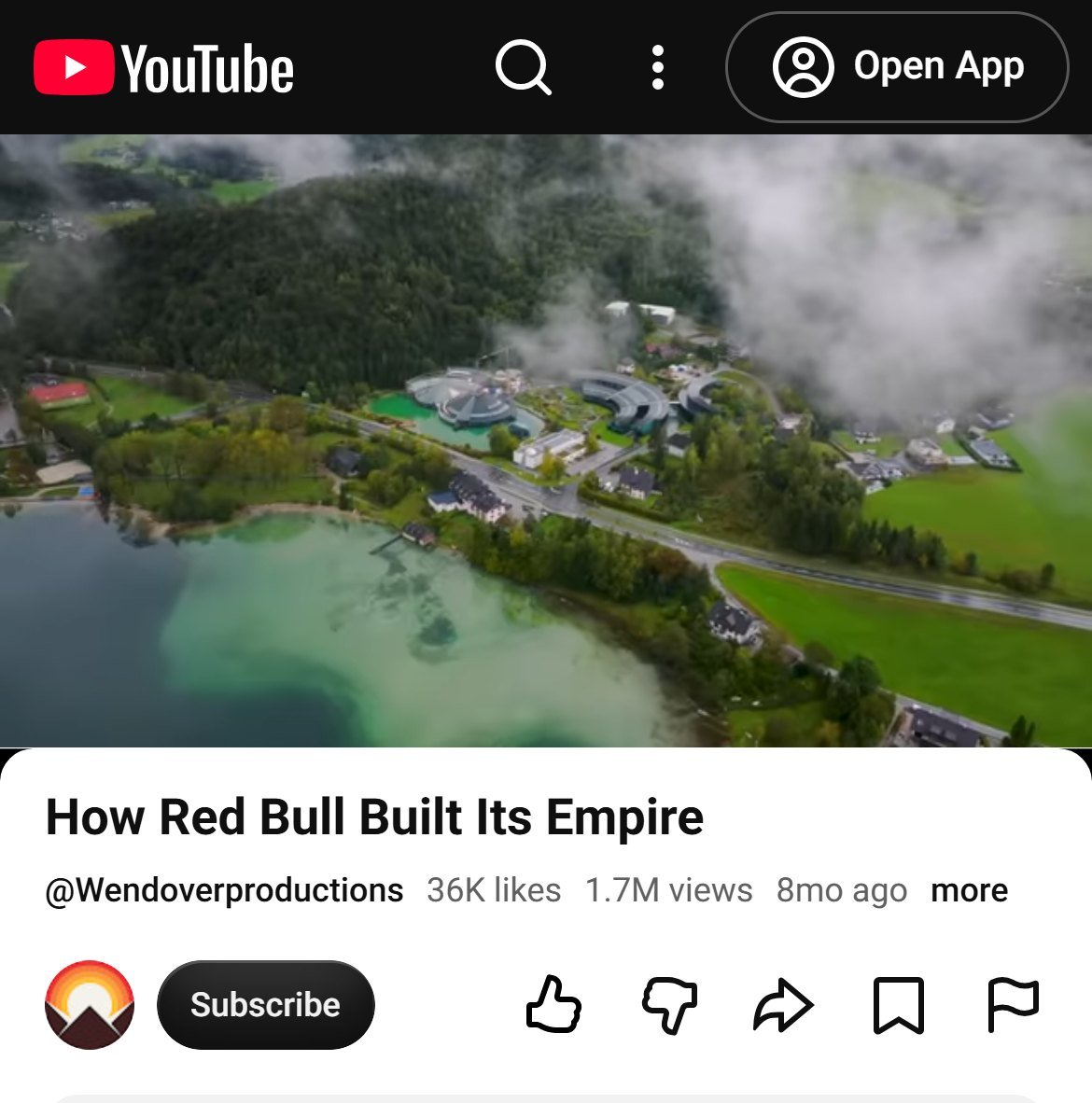
Wendover explains how businesses and systems work, with maps, footage and a steady voice. This video starts with something most viewers have held: a can of Red Bull, which costs about $3. The second sentence adds a number that doesn’t fit. According to the video, “9 cents of that goes towards paying for actually making the beverage.”
That gap is the whole video, and the hook says so: the rest of the money pays for everything else, and at Red Bull, everything else is a lot. At 0:19 the hook gives that idea a picture. The company’s headquarters isn’t in a big city, or even a small one. It’s in a mountain village with a handful of shops, and the list of them ends with a drinks company known around the world. The joke sits in the last item of the list, and the narrator never stops to point at it.
This one is my favorite for business channels, because it turns an abstract question (“how did Red Bull get so big?”) into something you can almost feel in your hand. You’d care about the 9 cents even if you’d never thought about energy drinks.
The formula: If you [do an everyday thing], you [pay or get something familiar]. Only [a small part] goes to [the obvious part]. The rest goes to [what this video explains].
3. LEMMiNO: one small thing that stands for everything
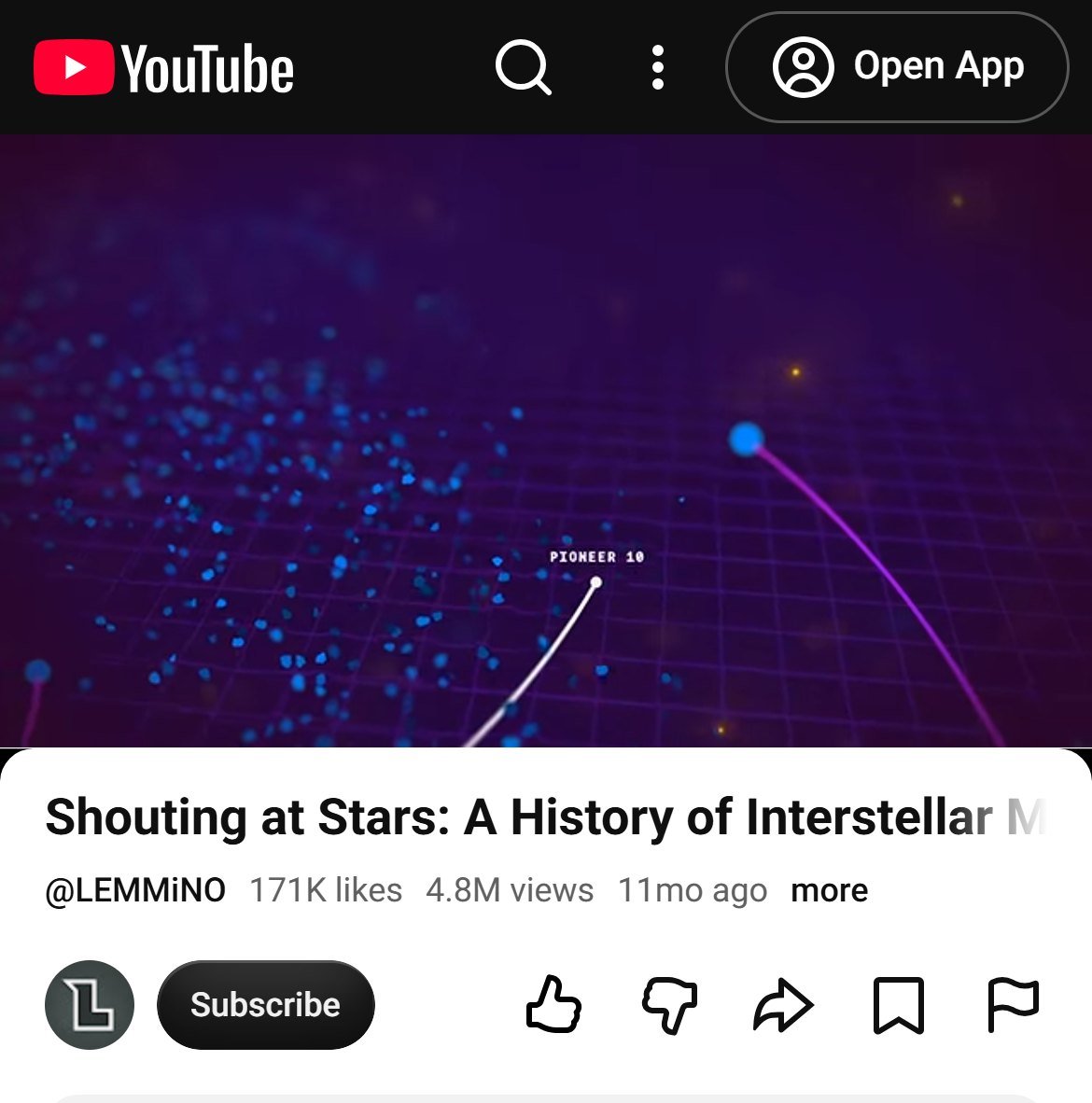
LEMMiNO makes long, carefully researched documentaries, and this one runs almost two and a half hours. You’d expect a video that long to open with a big statement about the universe. It does the opposite. The first 12 seconds have no voice at all, only music and pictures. Then the narration picks up one object: Pioneer 10, a probe launched in early 1972 toward Jupiter.
The script follows that probe past Jupiter and out of the solar system, where it will drift for billions of years. At 0:42 comes the detail that turns it into a story: the probe carries a message, in case anyone out there ever finds it. The message answers three questions, and at 0:56 Carl Sagan names them in an old recording: “Where we are, when we are, and who we are.” Only at 1:04 does the hook widen to the real subject, more than half a century of attempts to talk to life beyond Earth.
For a long video, this is the move I’d copy. A huge topic is hard to picture, so the hook hands you one small, real thing that contains all of it, and lets you feel the size of the story before it tells you. The quiet start works because the pictures are strong. Over a black screen, 12 seconds of music would feel like a loading error.
The formula: In [year], [one object or person] [did one specific thing]. It carried [something] meant to [purpose]. Since then, [how big the whole story became].
4. Nexpo: anchor the strange thing to a date people remember
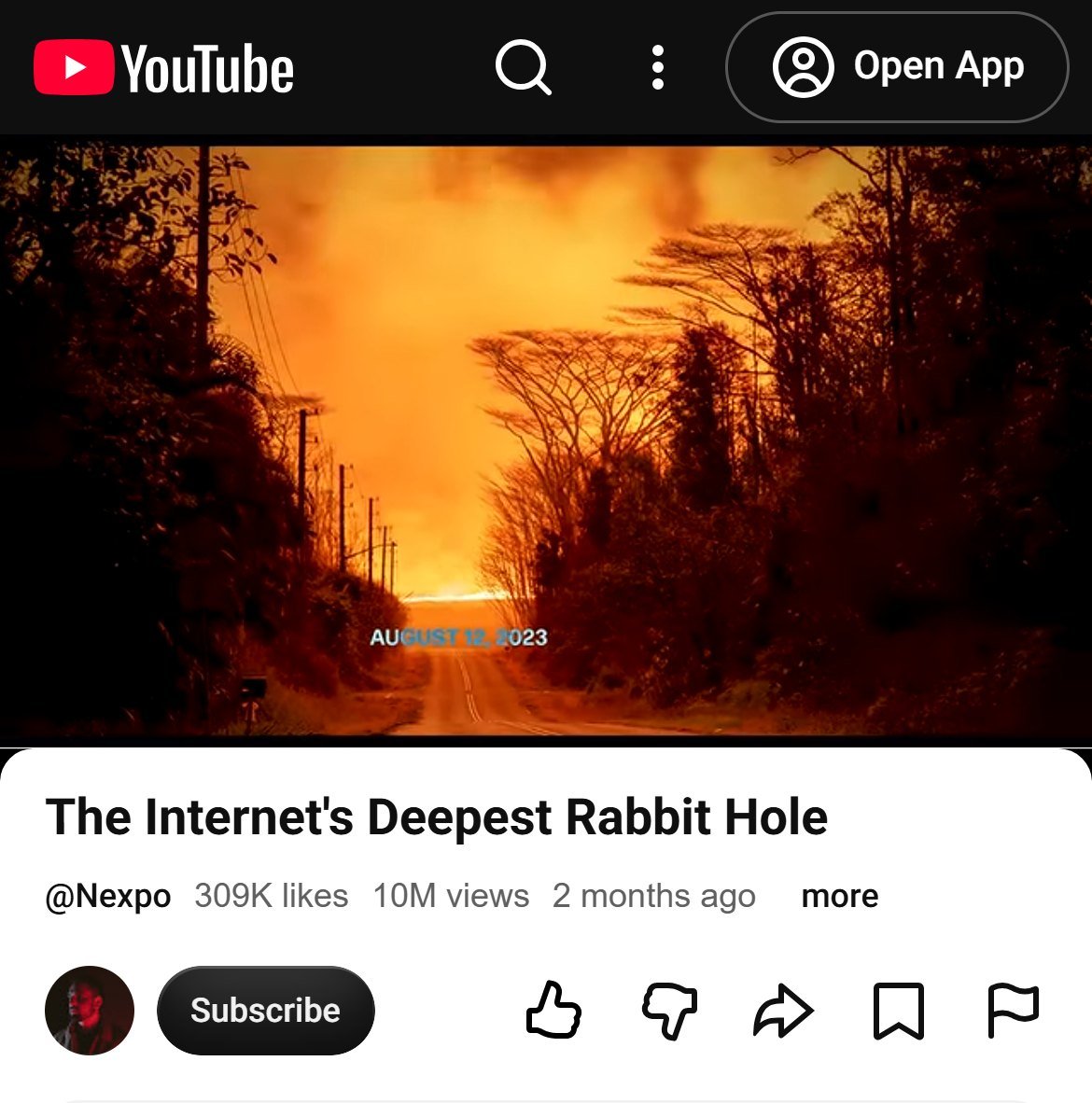
Nexpo investigates internet mysteries, and this video passed 10 million views in about three months, the biggest number in this list. Its opening takes a risk the others don’t: more than 30 seconds go by before anyone speaks, with only music and images. When the voice arrives, so does a date on screen: August 12, 2023.
When the narration starts at 0:34, it doesn’t begin with the mystery. It begins with that week in the news: wildfires in Hawaii, and the Barbenheimer craze at the movies. At 0:46 it turns to the strange part. Somewhere quiet online, “someone creates a YouTube channel with an urgent call to action.” Eight seconds later, the video plays a clip from that channel, so you hear the strangeness for yourself instead of taking the narrator’s word for it.
Two things here are worth stealing. The date puts an odd story inside a week the viewer lived through, which makes it feel real and close. And the early clip is evidence, which matters when no presenter is on camera to vouch for the story. I’d be more careful with the silent start. Nexpo’s viewers know the channel’s style and wait for it, and a new channel can’t count on that patience until its Intro numbers say so.
The formula: [A date or event your viewer remembers]. Meanwhile, [in a corner nobody was watching], [someone did something strange]. [A short clip or quote in their own words.]
5. Schaffrillas Productions: the reluctant narrator
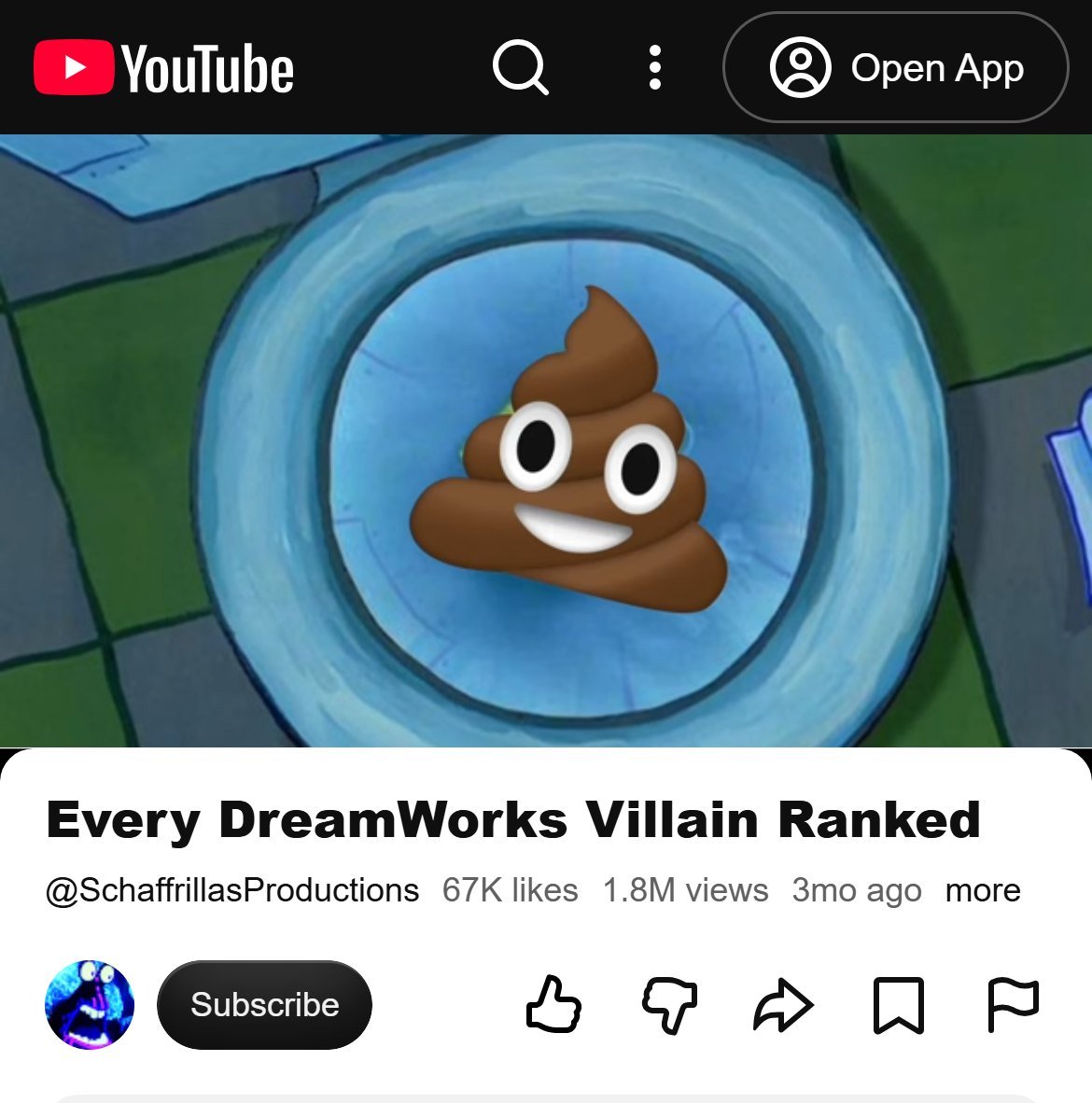
Schaffrillas Productions reviews and ranks animated films, and this ranking runs for 78 minutes. The first line is a complaint: the narrator never wanted to do this ranking, for a few reasons. Reason number one is that it would mean sitting through Spirit Untamed. Reason number two, a breath later, is that it would “force me to watch Spirit Untamed.”
That joke does a lot in ten seconds. It sets the tone, it tells you the rankings will be honest, and it makes you like the person talking. Then, at 0:14, the hook explains why the video exists anyway. The narrator had ranked DreamWorks villains before and didn’t plan to again, so a full ranking went up as a $20,000 goal in a February fundraiser for the American Heart Association, as a gag. The audience hit the goal. About a minute in, the video has its promise in place: most of these villains are fine, a few are awful, and the great ones are worth the wait.
On a faceless channel, the voice is the face, and this hook proves it. It works best for commentary, reviews and rankings, where viewers come back for a narrator’s opinions. On a neutral documentary, the same move would feel out of place.
The formula: I didn’t want to make this video, because [an honest, funny reason]. Then [what changed]. So here it is, and [what’s worth staying for].
How to write your own hook, step by step
The five openings look different, but they were built the same way: someone decided what the video promised, found the single best picture for that promise, and cut everything that came before it. Here’s that process as steps you can follow.
Step 1: Write the title and thumbnail first
The hook’s first job is to prove the click was worth it. That’s hard to do if you don’t know yet what the click promised. Write your title, sketch your thumbnail, and then write an opening that pays off that promise right away. YouTube’s own tip for a weak Intro number is the same: make the packaging match the video, and try different styles for the opening half minute.
Step 2: Find your first picture
Go through your research and look for one thing a viewer can see in their head. The five videos above give you five places to look: a moment when something happened, an object the viewer has held, a single detail that holds the whole subject, a date your viewer remembers, or your honest reason for making the video. If you build a fact sheet before you write, as our faceless YouTube script guide suggests, your first picture is usually sitting in it already.
Step 3: Draft three hooks with three different formulas
Writing one hook makes you defend it. Writing three lets you compare. Pick three formulas from this guide that fit your topic and write a version of each. By hand, that takes about 20 minutes. With AI, give it your research and the formulas and ask for all three at once:
I’m writing a faceless YouTube video. Title: [title]. Thumbnail: [what it shows]. Here is my fact sheet: [facts with sources]. Write three different hooks of up to 75 words each, one with each of these formulas: [paste three formulas]. Use only facts from my fact sheet. Don’t greet the viewer, name the channel, or say “in this video”. After each hook, point to the line that makes a viewer want to keep watching, and tell me which hook fits the title best.
Check every fact in what comes back against your sheet. In our last test, an AI added a claim that wasn’t on its own fact sheet, and hooks are where that happens most, because drama is what you asked for. For an example of the first formula in a finished script, see the Osaka hook in step 5 of the faceless script guide.
Step 4: Read each one aloud and time it
A calm narrator says about 150 words a minute, so 75 words fill roughly 30 seconds. Our guide to YouTube script length explains where that number comes from. Treat it as a target, not a wall: Mustard runs its hook for 46 seconds and LEMMiNO for over a minute, and both work because every sentence adds something new. If a line only repeats what the last one said, cut it, then time it again.
Step 5: Publish one, keep the other two
After the video is out, open its audience retention report in YouTube Studio and note the Intro figure. One number doesn’t tell you much. Ten videos’ worth will show you which kind of opening your viewers stay for.
Save the two hooks you didn’t use. On September 23, 2026, YouTube announced that creators will soon be able to “test up to three video cuts to see which hook performs best” (YouTube’s Made on YouTube post lists it as coming soon). Title and thumbnail tests already exist, and the same post says creators have run more than 40 million of them. When hook tests reach your channel, your spare drafts are your second and third cuts.
A checklist before you record
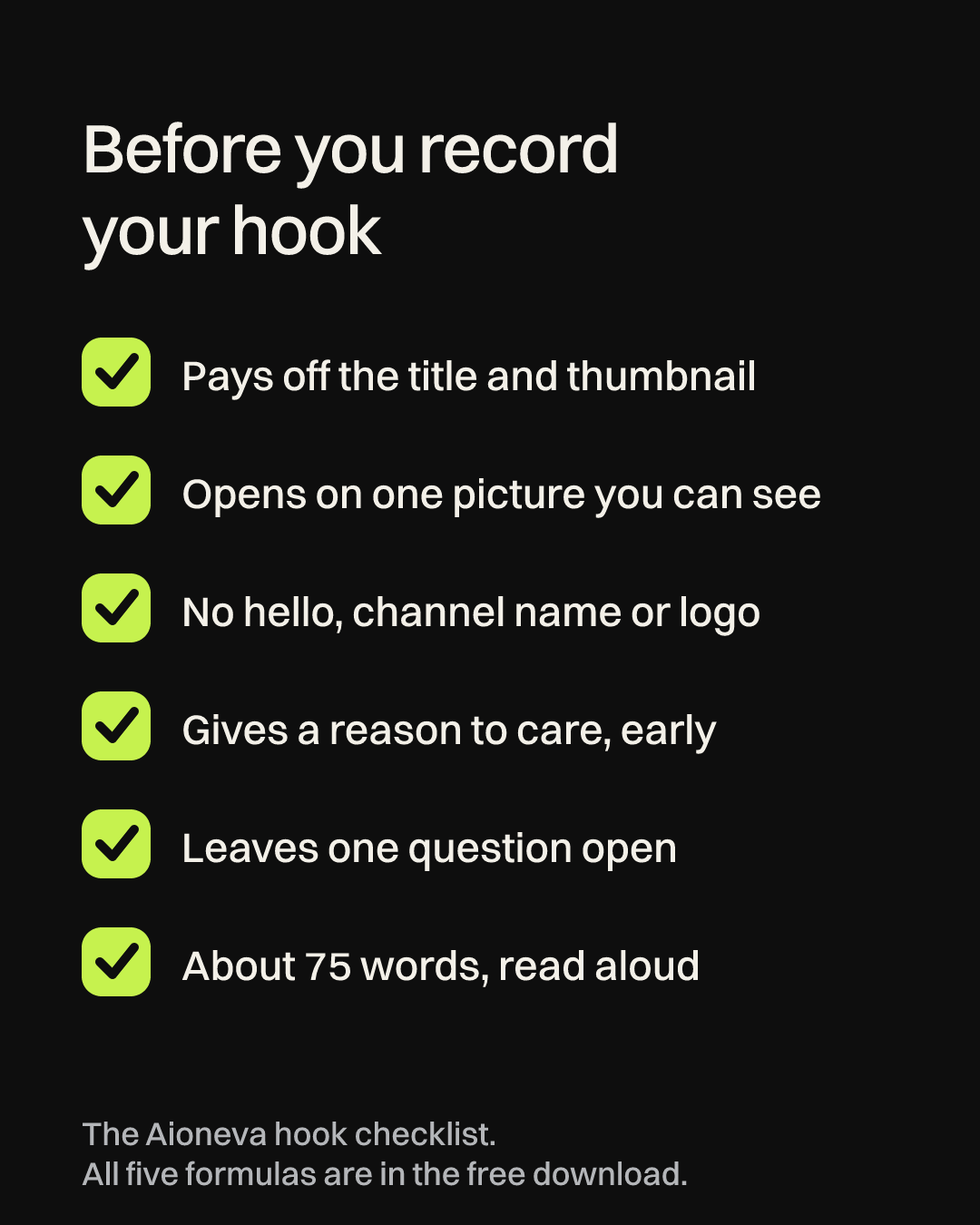
The hook formulas file has all five formulas, step-by-step instructions for your AI and this checklist in one place. Upload it to Claude, ChatGPT or Gemini with your title and fact sheet, and it will draft hooks and check them against the list.
These are the same habits we use on Royal Stories, a faceless channel we run. If you’d like the research, scripts, voice and editing handled for you, that’s what our YouTube channel management covers. And if your channel tells true stories, our guide to writing a YouTube documentary script picks up where the hook ends.