Takes No. 019
YouTube demonetized a 2M-subscriber faceless channel. Here’s what its reviewers actually check
The Paint Explainer lost YouTube monetization for repetitive content and won it back five days later. Dozens of other channels are still waiting. Here is what reviewers check, and how to protect yours.
What happened
The Paint Explainer is a 2D stickman explainer channel with about 2 million subscribers. On November 13, its owner posted on X that YouTube had removed it from monetization for “Generic and Repetitious Content,” and that his appeal was denied in less than half a day. He says a real artist draws the art, a real editor cuts it in Premiere, and his appeal video showed the layered project files. His guess: AI copies of his stickman style are everywhere, and his AI voiceover made the system mistake him for one of them. On November 18 he wrote that monetization was back, after his first post passed 200,000 views and YouTube reviewed the channel again.
Most channels don’t get that ending. CrimeChron, a true crime documentary channel, says it lost monetization on November 20 for the same reason, despite a team of researchers, writers and editors, and that its appeal was rejected two days later. LouieVerse Cinematics lost it on November 17 for “unsatisfying or off-putting content.” Between November 1 and 21, I counted at least 96 TeamYouTube replies on X that open with nearly the same words: after a manual review, “a significant portion of your channel doesn’t align with our policies,” as this reply puts it. Most of them name generic or repetitive content. I ran the same search for June and found a similar pace, so this looks like steady enforcement of old rules that now reaches big channels whose owners say real people make every video.
What it means for you
I went through YouTube’s own policy pages for this, and the useful part surprised me: the rule isn’t really about AI. In a Creator Insider interview in July, Matt Halprin, YouTube’s VP of Trust and Safety, said its policies “are independent of how the content is made.” His test is whether a video could be on a hundred other channels. YouTube’s spam policy even describes mass production: the same background music and repetitive AI images across many videos, each one reading out an AI-written script.
That’s the trap for faceless channels. The template that lets you publish fast also makes a channel look like a content farm, and once copycats mass-produce your look, your own look may start to count against you.
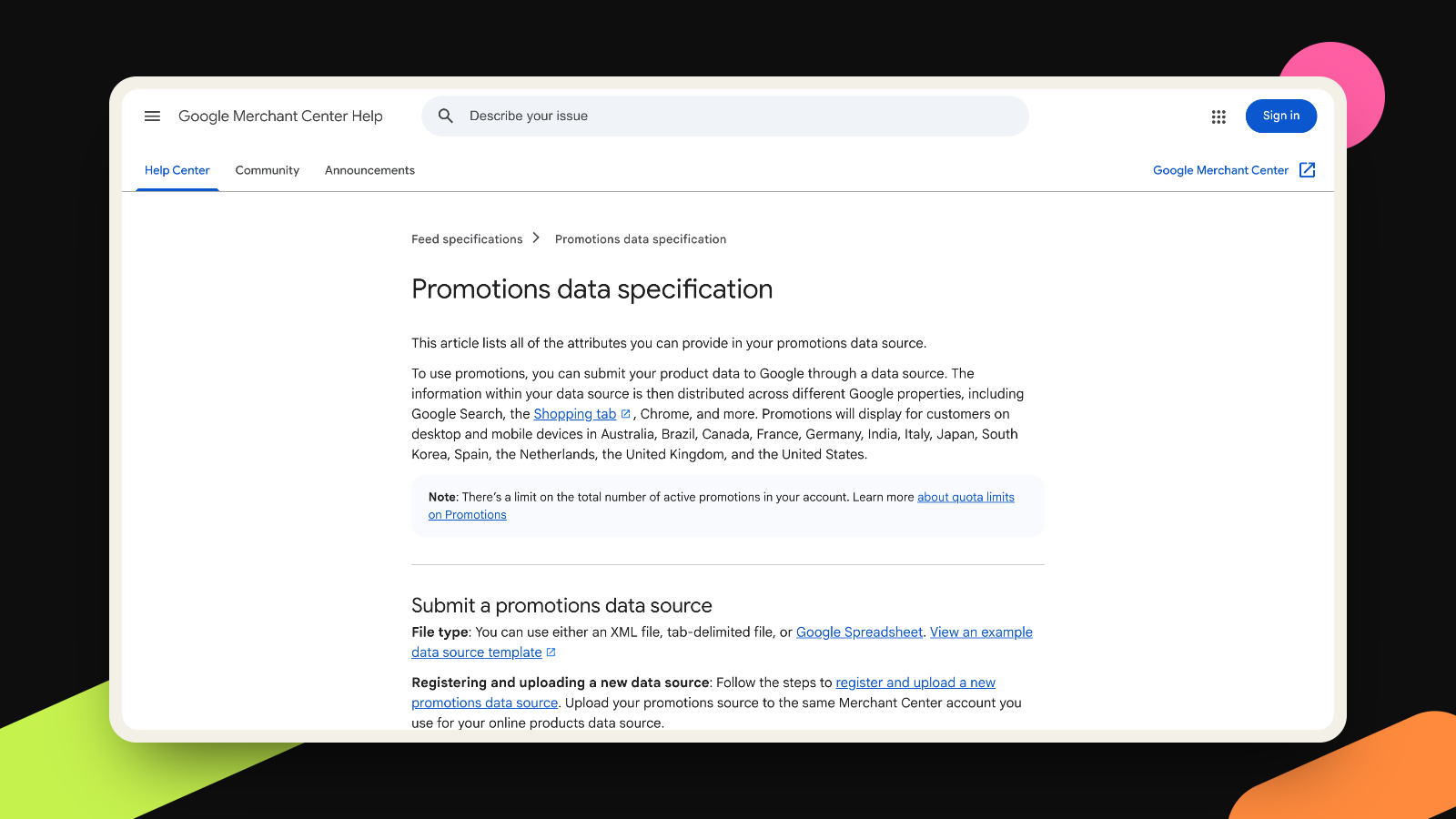
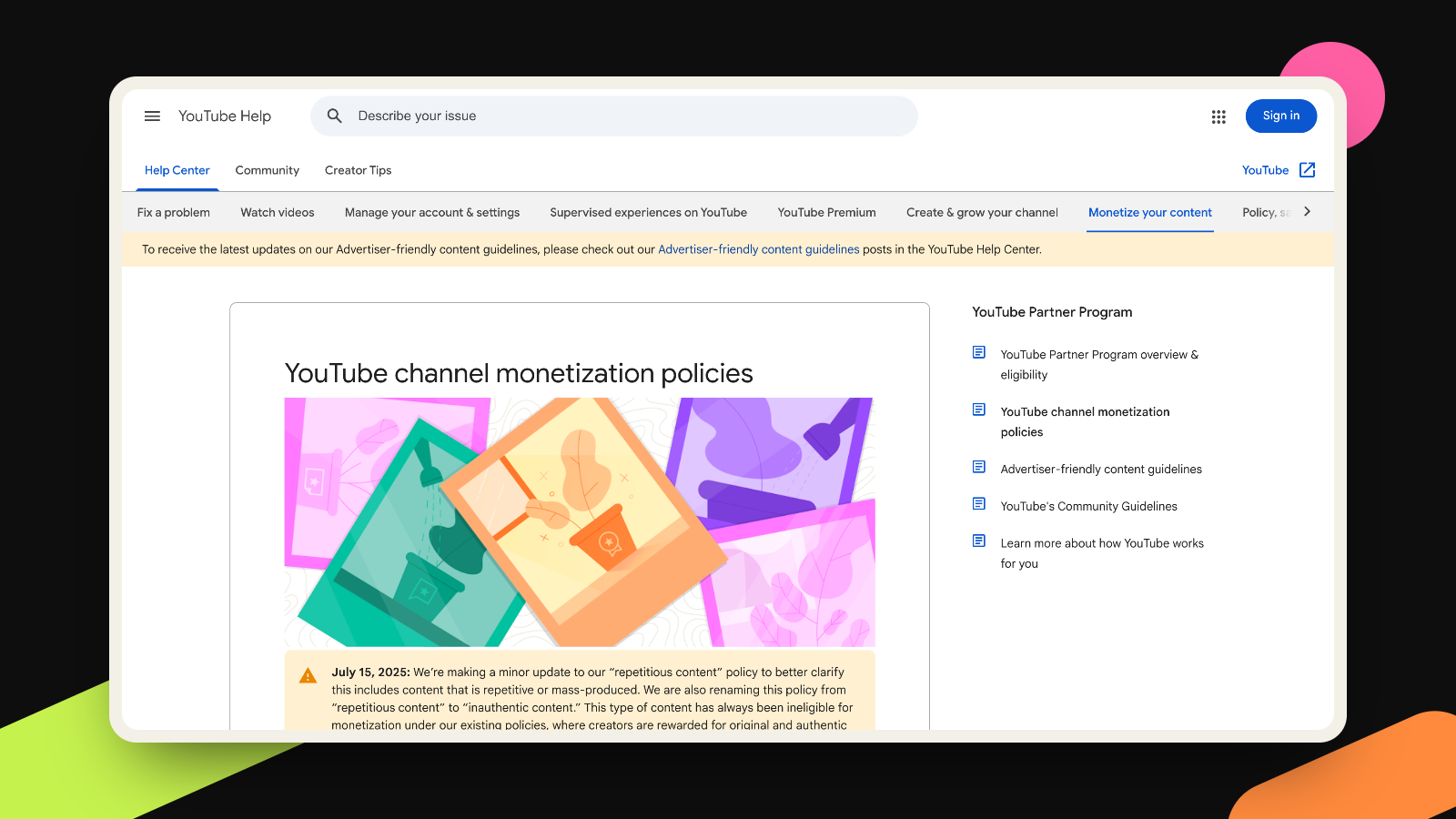
Reviewers also judge the whole channel, not one video. The monetization policy page lists where they look: your main theme, your most viewed videos, your newest ones, the videos with the biggest share of watch time, and your titles, thumbnails, descriptions and About section. On a faceless channel, none of those places shows a person unless you put one there. The same page says that reading out someone else’s text doesn’t count as your work, even with permission, which documentary channels that narrate articles should take seriously.
The Paint Explainer’s comeback shows that a second human look can change the result. It also shows what it took to get one: a post with 200,000 views. You want the evidence on your channel before you need a crowd. From February 1, 2027, a new channel also needs 8,000 watch hours to join the Partner Program, double today’s bar, according to Social Media Today, so the road back gets longer next year.
What to do this week
- Open your channel as a stranger. If your five newest videos share the same music, intro, image style and script shape, change at least one of those in your next upload.
- Record a short, raw intro video. Skip the polish: your face, or your voice over your desk and project files, saying who you are, why you started the channel and how each video gets made. Then set it as your channel trailer, which YouTube’s layout help page says plays on your Home tab for people who haven’t subscribed. YouTube doesn’t promise this protects anyone, but it puts a real person in the first place a stranger looks. If your channel is new, make it one of your first uploads.
- Rewrite your About section the same way: who researches, who writes, who voices and who edits. The reused content rules allow borrowed material when you explain what you added to it.
- Keep proof while you work. Save project files, research notes and raw voice takes in one folder per video, so an appeal never starts from scratch.
- Know the warning window. YouTube’s appeal page says you may get a notice before a suspension, and appealing within 7 days pauses it. Don’t delete videos before you appeal, because the channel is judged as it stands.
- Build the appeal video the way YouTube asks: under 5 minutes, unlisted, uploaded to the same channel, with the channel link in the first 30 seconds. Name the parts of the policy you’re answering and show your process. Your voice is enough if you’d rather stay off camera.
- If the appeal fails, wait the 90 days, fix or remove what breaks the rules, and reapply. Our guide to writing a faceless YouTube script starts every video from its own question, which is the habit that keeps a channel from looking like a hundred others.
More takes
All takes